
What Makes Soil Truly Living? Living Soil Explained!
Soil. It’s not just dirt under your feet. It’s a bustling, vibrant metropolis of life! When I first dug into the world of soil, I was blown away by how much goes on beneath the surface. This isn’t just a pile of earth; it’s a living, breathing ecosystem that fuels every plant, flower, and crop you grow. Today, I’m diving deep into what makes soil truly living and why understanding this can transform your gardening or farming game forever!
Living Soil Explained: The Heartbeat Beneath Your Plants
Let’s start with the basics. Living soil is packed with microorganisms - bacteria, fungi, protozoa, nematodes, and more. These tiny creatures work tirelessly to break down organic matter, recycle nutrients, and create a rich environment where plants thrive. Think of it as a microscopic city where every resident has a job that keeps the whole system humming.
But it’s not just about microbes. Living soil also includes earthworms, insects, and other critters that aerate the soil and help mix nutrients. This dynamic community creates a natural balance that supports plant health without the need for harsh chemicals.
Why does this matter? Because healthy soil means healthy plants. When soil is alive, it holds water better, resists erosion, and provides nutrients in a form plants can easily absorb. It’s like giving your garden a natural superfood boost!
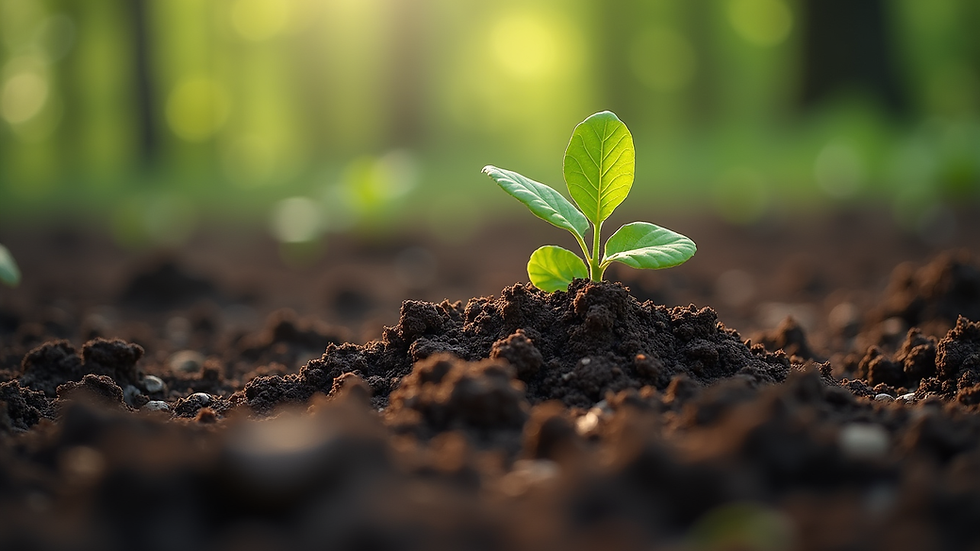
The Magic Ingredients That Make Soil Come Alive
So, what exactly makes soil living? It’s a combination of several key factors working in harmony:
Organic Matter - Dead leaves, roots, and other plant material feed the soil’s microbial community. This is the fuel that keeps the soil alive and kicking.
Microbial Diversity - A wide variety of bacteria and fungi means a resilient soil ecosystem. Different microbes perform different tasks, from nitrogen fixation to disease suppression.
Moisture and Aeration - Soil needs the right balance of air and water. Too much water drowns microbes; too little and they dry out. Good soil structure, often created by earthworms and roots, keeps this balance.
pH Balance - Most microbes prefer a slightly acidic to neutral pH (around 6-7). If the soil is too acidic or alkaline, microbial activity slows down.
Temperature - Microbial activity peaks in moderate temperatures. Extreme cold or heat can put the soil community to sleep.
When these ingredients come together, soil becomes a powerhouse of life, cycling nutrients and supporting plant growth naturally.
The Role of Microbes: Tiny Titans of the Soil World
Microbes are the unsung heroes of living soil. Let me introduce you to some of the key players:
Bacteria: These guys are everywhere! Some bacteria fix nitrogen from the air, turning it into a form plants can use. Others break down organic matter or protect plants from pathogens.
Fungi: Mycorrhizal fungi form symbiotic relationships with plant roots, extending their reach and helping them absorb water and nutrients. They’re like the plant’s personal assistants!
Protozoa and Nematodes: These tiny predators keep bacterial populations in check and release nutrients locked in bacterial cells, making them available to plants.
Together, these microbes create a nutrient-rich environment that supports vigorous plant growth. Without them, soil would be a barren wasteland.

How to Cultivate Living Soil in Your Garden or Farm
Now that you know what living soil is and why it’s vital, how do you create it? Here are some practical tips to get your soil buzzing with life:
Add Organic Matter Regularly: Compost, mulch, and cover crops feed your soil’s microbial community. Think of it as stocking the pantry for your soil’s tiny residents.
Avoid Synthetic Chemicals: Pesticides and synthetic fertilizers can kill beneficial microbes. Opt for natural fertilizers and pest control methods.
Practice Crop Rotation and Diversity: Different plants support different microbes. Rotating crops and planting diverse species keeps the soil ecosystem balanced.
Minimize Tillage: Turning the soil too much disrupts microbial networks and soil structure. No-till or low-till methods help preserve soil life.
Use Natural Inoculants: Products containing beneficial bacteria and fungi can jumpstart your soil’s microbial population. These are especially useful if your soil is depleted.
By following these steps, you’re not just growing plants—you’re nurturing a living system that sustains them.
Why Understanding What Is Living Soil Changes Everything
If you’ve ever wondered what is living soil, now you know it’s a vibrant ecosystem that’s essential for healthy plant growth. This knowledge shifts your perspective from seeing soil as just dirt to appreciating it as a complex, living community.
This shift is powerful. It means you can stop relying on chemical crutches and start working with nature’s own systems. The result? Plants that are more resilient, yields that are more abundant, and a garden or farm that’s sustainable for the long haul.
Plus, living soil helps combat climate change by sequestering carbon and reducing the need for synthetic inputs. It’s a win-win for your plants and the planet!
Bringing Soil to Life: My Personal Soil Journey
I’ll be honest - when I first started gardening, I thought soil was just a medium to hold plants. But after digging into the science and seeing the results firsthand, I’m hooked on living soil! Watching earthworms wriggle through rich, dark soil and seeing plants thrive without chemical fertilizers is nothing short of magical.
I started adding compost and natural inoculants, cutting back on tilling, and planting cover crops. The difference? My garden exploded with life. The soil smells earthy and sweet, and the plants? They’re healthier, stronger, and more vibrant than ever.
If you want to experience this magic, start small. Test your soil, add organic matter, and watch the transformation. Trust me, your plants will thank you!
Living soil is the secret sauce for thriving gardens and farms. It’s a living, breathing ecosystem that supports every root and leaf. By nurturing this underground world, you unlock nature’s full potential and grow plants that are truly alive. So grab your shovel, roll up your sleeves, and get ready to bring your soil to life!


Comments